Most fighters think of training in two phases: the intense push during a training camp and the more relaxed period between fights. But as the sport evolves, more athletes are discovering that year-round conditioning is one of the biggest advantages you can have.
Both approaches have benefits — and both come with challenges. The key is knowing how each one fits into your goals, your schedule, and your style of fighting.
Understanding the difference can help you stay healthier, sharper, and more prepared all year long.
What a Traditional Training Camp Looks Like
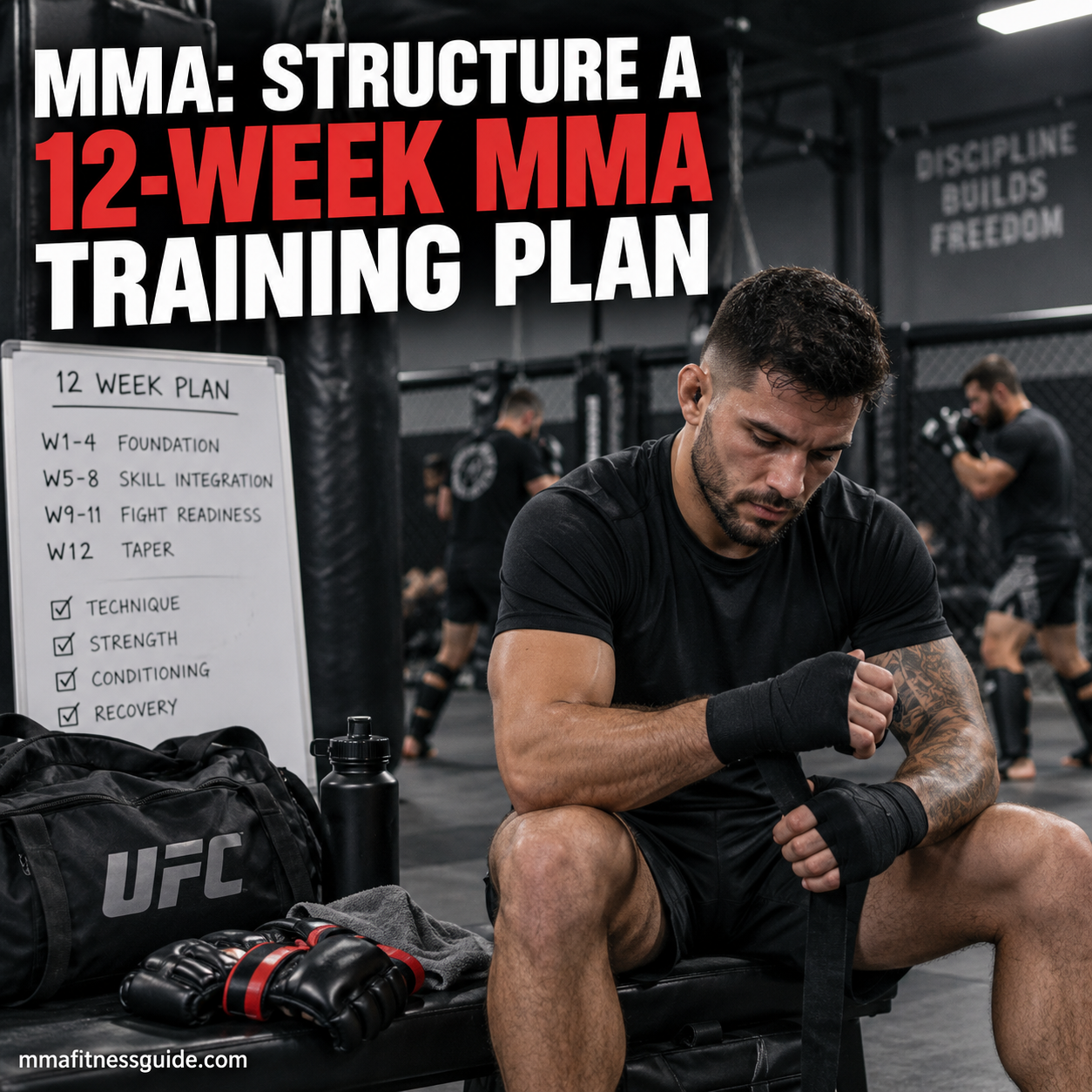
A training camp is a focused block of preparation, usually 6–10 weeks before a fight. It’s designed to peak your conditioning and sharpen your specific fight strategy.
Typical goals during a training camp
- Increase intensity
- Build fight-specific cardio
- Improve power and explosiveness
- Dial in weight cutting
- Sharpen technique to match the opponent
- Study strategy and timing
- Push through high-volume rounds
Training camps are demanding because everything happens in a short window — and the mental pressure builds as the fight gets closer.
Benefits of a Training Camp Approach
Fast improvements
The intensity forces quick adaptation.
High focus
You know exactly what you’re preparing for.
Strong team energy
Everyone rallies around the fighter.
Clear timeline
You peak at the right moment.
Downsides of Relying Only on Training Camps
Training camps can work — but they come with risks if they’re the only time you train hard.
Increased injury risk
Jumping from low activity to high volume can strain joints and tendons.
Conditioning rollercoaster
You peak, then fall, then rebuild again.
Burnout
The stress of “all-in” training blocks can overwhelm beginners and pros alike.
Overreliance on last-minute preparation
Some fighters never reach their full potential because they only push hard when a fight is scheduled.
What Year-Round Conditioning Looks Like
Year-round conditioning is a steady, consistent approach that keeps you prepared even when you’re not in camp.
It’s not meant to be exhausting. Instead, it focuses on:
- Steady aerobic work
- Light-to-moderate strength training
- Flexibility and mobility
- Drilling fundamentals
- Controlled sparring (occasionally)
- Sustainable routines
Think of it as always staying at 70–80% — strong enough to start a camp without breaking down.
Benefits of Year-Round Conditioning
Fewer injuries
Your body stays conditioned without big spikes in workload.
Easier training camps
You start closer to peak performance.
Better cardio baseline
Aerobic capacity is built through consistency, not intensity.
More time for technique
Without the pressure of a fight coming up, learning becomes easier.
Healthier weight maintenance
You avoid drastic cuts.
Long-term athletic development
This is what builds durable, high-level fighters.
Downsides of Year-Round Training
Requires discipline
No long breaks means staying committed.
Potential for boredom
Without variety, training can feel repetitive.
Risk of overtraining
If not balanced, year-round work can become too demanding.
Still, when programmed intelligently, year-round conditioning is sustainable and effective.
Which Approach Is Best for You?
Most fighters benefit from a hybrid system:
Outside of camp
- Build a strong aerobic engine
- Lift 2–3 times per week
- Spar lightly or moderately
- Drill skills consistently
- Focus on mobility and recovery
During camp
- Increase intensity and specificity
- Add opponent-focused strategy
- Push conditioning to peak levels
- Tighten weight management
- Intensify sparring (without overdoing it)
This combination gives you the best of both worlds.
Signs You Need Year-Round Conditioning
- You gas out easily during camp
- You get injured early in the preparation cycle
- You struggle to make weight
- Your cardio feels inconsistent
- You feel “rusty” at the start of camp
- You fall out of shape quickly after fights
These are indicators your baseline needs improvement.
Signs a Training Camp Focus Is Good for You
- You are highly experienced
- You already have excellent conditioning
- You stay active all year teaching or training
- You recover well and avoid injuries
- You prefer structured, time-limited pushes
Even then, most high-level fighters still do some form of maintenance training.
Final Takeaway
Training camps create intensity, strategy, and peak performance. Year-round conditioning builds durability, consistency, and long-term growth.
The strongest approach combines both — staying ready with steady conditioning and using training camps to sharpen the final 20–30%.
When you treat your body like a full-time athlete, everything becomes easier: weight cuts, sparring rounds, technique work, and fight preparation.
The long game always wins.