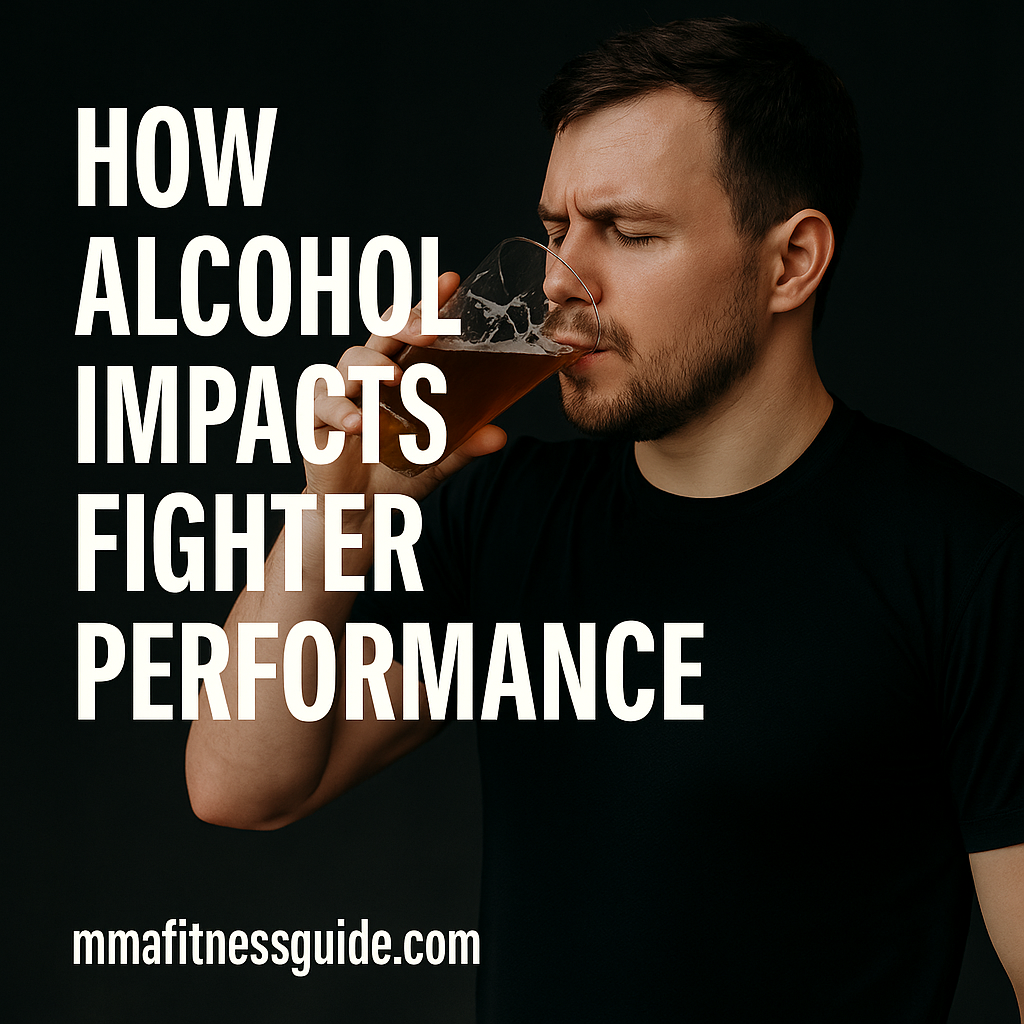
Alcohol is a normal part of social life for many athletes — but for fighters, it carries specific performance consequences that can hurt conditioning, recovery, and fight readiness. You don’t need to swear off alcohol forever, but understanding its effects helps you make smarter decisions during training camps, recovery weeks, and downtime.
Even small amounts of alcohol can influence reaction time, hydration, sleep quality, and muscle repair — all of which matter in MMA, Muay Thai, boxing, and grappling.
Why Alcohol Affects Fighters More Than the Average Person
Combat sports demand peak physical and mental performance. Fighters must maintain:
- Sharp reflexes
- Strong cardiovascular endurance
- Explosive power
- High-quality recovery
- Nutrient-dense fueling
- Clear focus and decision-making
Alcohol interferes with all of these systems. For most people, it’s just a mild setback. For a fighter, it can be the difference between a great training week and a sluggish, injury-prone one.
How Alcohol Impacts Athletic Performance
1. Slower Reaction Time
Alcohol depresses the nervous system, which slows:
- Reflexes
- Coordination
- Hand–eye timing
- Decision-making
Even after the alcohol leaves your system, the next-day sluggishness can still reduce accuracy in striking and grappling.
2. Dehydration and Electrolyte Loss
Alcohol is a diuretic, meaning it pulls water out of the body.
For fighters, this means:
- Faster fatigue
- Reduced power output
- Cramping during training
- Headaches
- Slower recovery after hard sessions
Hydration is essential for blood flow, oxygen delivery, and performance — and alcohol interrupts all of it.
3. Poor Sleep Quality
Even if alcohol helps you fall asleep faster, it destroys the quality of your sleep.
It reduces:
- REM sleep
- Deep sleep
- Growth hormone release
- Muscle repair
- Cognitive processing
A fighter who sleeps poorly performs poorly.
4. Increased Inflammation
Alcohol increases systemic inflammation, which:
- Worsens soreness
- Slows down recovery
- Increases risk of injury
- Impacts joint health
A fighter with constant inflammation can’t maintain consistent training volume.
5. Muscle Protein Synthesis Drops
Research shows that alcohol can reduce the body’s ability to repair muscle after training.
This leads to:
- Slower strength gains
- Lower power output
- Worse recovery
- Higher fatigue
If you want to build strength or recover from hard sparring, alcohol works against you.
6. Impaired Conditioning
Because alcohol disrupts hydration, sleep, and recovery, it indirectly hurts cardio.
Effects include:
- Shorter gas tank
- Higher perceived exertion
- Slower heart rate recovery
- Weaker endurance during padwork and sparring
Your conditioning takes longer to improve when alcohol becomes a habit.
7. Increased Risk of Weight Gain
Alcohol adds empty calories and slows fat metabolism.
Common downstream effects:
- Extra body fat
- Harder weight cuts
- More bloating
- Less definition or athletic lean
For fighters who walk close to fight weight, alcohol creates unnecessary fluctuations.
How Alcohol Impacts Mental Performance
Fighting is as much mental as physical.
Alcohol increases:
- Stress
- Mood swings
- Anxiety
- Impulse decisions
- Mental fog
A fighter who drinks heavily may notice dips in focus, calmness, and emotional control — especially during sparring.
Alcohol During Fight Camp: What Fighters Should Know
During fight camp, alcohol hits harder because:
- Training volume is higher
- Recovery needs are greater
- Sleep is essential
- Weight management is stricter
Most fighters cut alcohol completely during camp.
If you do drink, avoid it:
- After sparring days
- During weight cuts
- After conditioning sessions
- Late at night
- Within 48 hours of heavy training
Protecting recovery is the priority.
If You Choose to Drink: Smarter Strategies for Fighters
You don’t have to quit — just be strategic.
1. Hydrate heavily before and after
Electrolytes + water = less fatigue the next day.
2. Eat before drinking
Never drink on an empty stomach.
3. Choose lower-calorie options
Good options include:
- Vodka + soda
- Tequila + lime
- Light beer
- Hard seltzers
Avoid sugary mixed drinks.
4. Limit drinking days
Consistency matters more than perfection.
5. Stop drinking early in the evening
This protects sleep quality.
6. Avoid drinking after injury
Alcohol slows tissue repair — bad for sprains, strains, bruises, and inflammation.
7. Never drink after sparring
Your immune system and brain need immediate recovery time.
Final Takeaway
Alcohol isn’t forbidden for fighters — but it plays a bigger role in performance and recovery than most people realize. It impacts hydration, sleep, cardio, muscle repair, mental sharpness, and weight management. If your goal is to fight, compete, or simply train at a higher level, minimizing alcohol — especially during training cycles — will help you feel stronger, sharper, and more consistent.
Drink less → recover better → perform better.