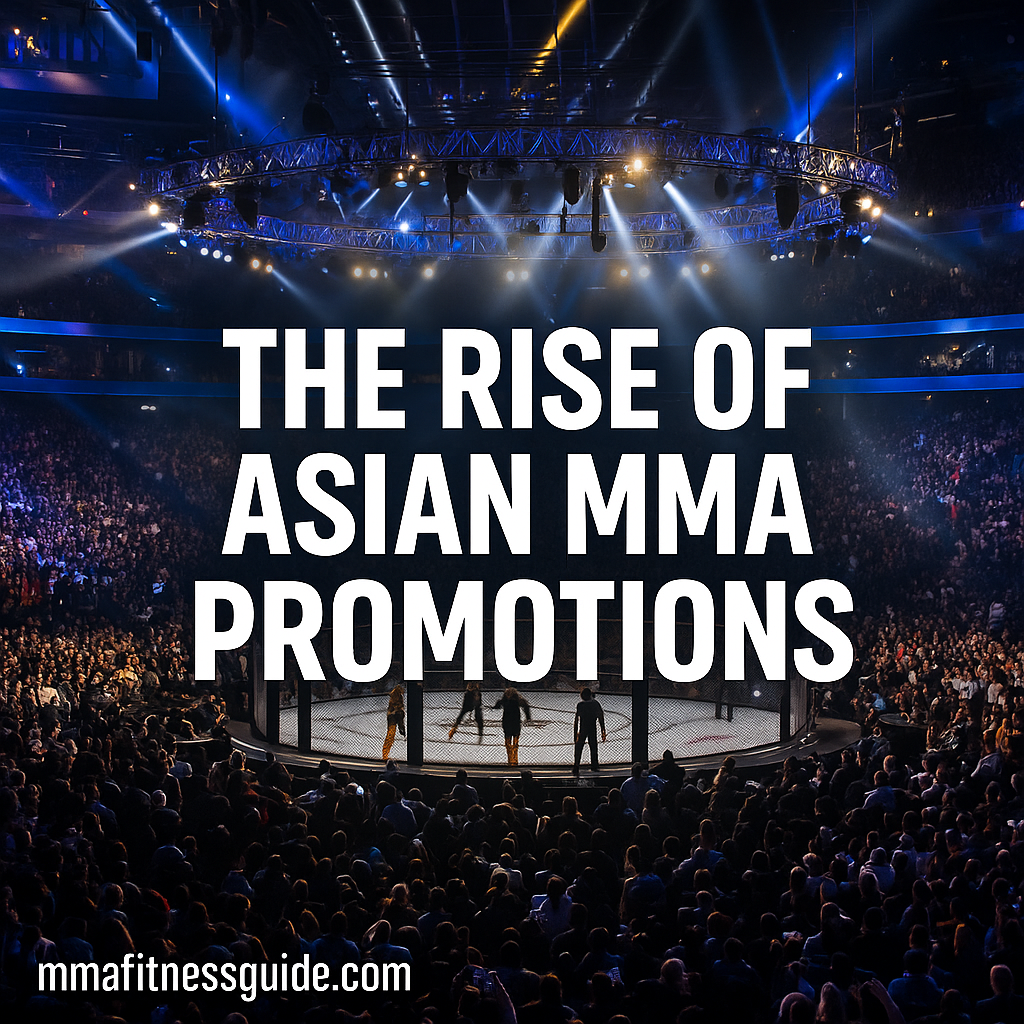
Asian MMA has experienced explosive growth over the past two decades, reshaping the global combat sports landscape. While North America once dominated the MMA spotlight through organizations like the UFC and Bellator, Asia has been steadily building its own powerhouse promotions — each with its own identity, talent pipelines, production style, and martial arts heritage.
From the striking culture of Thailand to the wrestling dominance of Central Asia and the samurai spirit of Japan, Asian MMA promotions have introduced a style and atmosphere that feels distinct, dynamic, and deeply rooted in tradition.
Today, Asian organizations are not only producing elite champions but also influencing the global direction of MMA.
The Early Foundations of Asian MMA
Before MMA became mainstream, Asia was already home to legendary combat sports traditions — Muay Thai, Sanda, Shooto, Pancrase, Japanese pro-wrestling, and countless regional martial arts. These created the foundation for modern MMA promotions.
Shooto (Japan, 1980s)
One of the earliest forms of mixed martial arts competition, Shooto brought together grappling, striking, and realistic hybrid rules long before MMA was defined as a sport.
Pancrase (Japan, 1993)
Known for open-hand strikes and submission-heavy fights, Pancrase helped launch the careers of pioneers like Bas Rutten and Ken Shamrock.
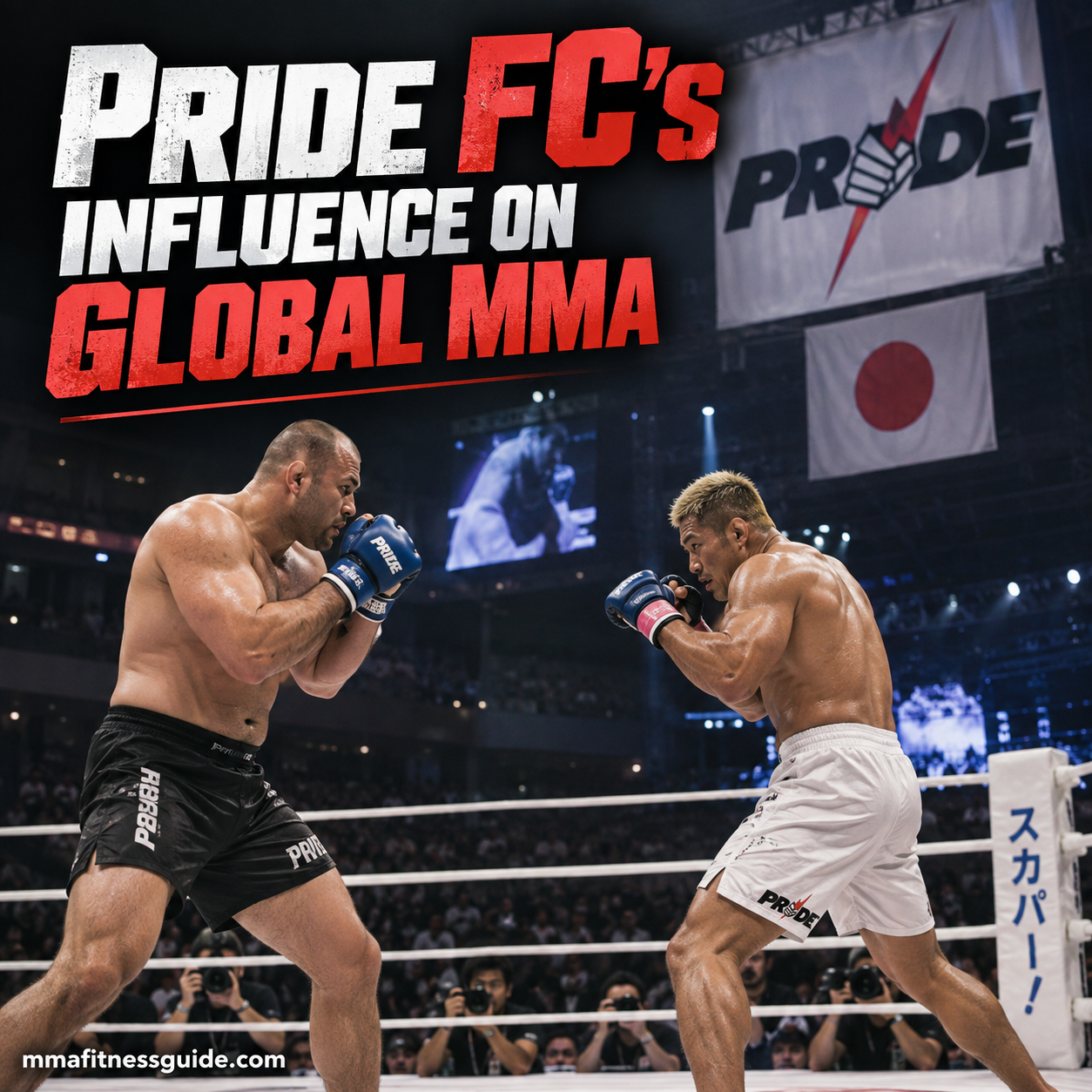
PRIDE FC (Japan, 1997–2007)
PRIDE is considered by many to be the most influential MMA promotion in history. Its iconic entrances, soccer kicks, massive arenas, and larger-than-life matchups showcased martial arts grandeur rarely seen since.
PRIDE laid the cultural groundwork that modern Asian promotions still build upon.
The Modern Era: The New Wave of Asian Promotions
While PRIDE’s era ended, Asia’s MMA scene didn’t fade — it evolved. A new generation of promotions emerged, each expanding MMA’s reach throughout East, Southeast, and Central Asia.
Here are the biggest and most influential organizations shaping today’s landscape.
ONE Championship (Singapore)
ONE has become the face of Asian MMA globally.
What sets ONE apart:
- A focus on martial arts values: humility, respect, honor
- Rule sets that blend MMA, kickboxing, and Muay Thai
- A massive digital footprint and stadium-sized events
- Homegrown stars like Angela Lee, Aung La N Sang, and Stamp Fairtex
ONE’s emphasis on positive storytelling and traditional martial arts branding makes it unique in the combat sports world.
Rizin Fighting Federation (Japan)
Seen by many as PRIDE’s spiritual successor, Rizin blends modern MMA with the theatrical elements Japanese fans love.
Rizin is known for:
- Fighters entering the arena like pro-wrestling superstars
- Occasional freak-show attractions reminiscent of PRIDE
- Cross-promotion with Bellator and other organizations
- Showcasing Japanese stars such as Kyoji Horiguchi
Rizin keeps the spectacle of Japanese MMA alive.
Road FC (South Korea)
Korea’s premier MMA promotion has produced top-tier fighters and created opportunities for local talent.
Road FC stands out for:
- Strong development of lighter weight classes
- Showcasing Korean prospects before they jump to international promotions
- Building a strong regional fanbase
Korean MMA’s growth parallels the nation’s rise in striking and grappling sports.
Brave CF (Although Bahrain-Based, Major Asian Influence)
While technically Middle Eastern, Brave CF has become one of the most active promotions across Asia.
Brave CF is recognized for:
- Hosting events across South and Central Asia
- Discovering rising talent from less-publicized regions
- Building a gateway for fighters to larger global stages
Countries like India, Pakistan, Kazakhstan, and the Philippines have all benefited from Brave’s expansion.
Deep and Pancrase (Japan)
These long-standing Japanese promotions continue to keep domestic MMA alive, developing talent who eventually join global organizations.
Why Asian MMA Is Growing So Quickly
1. Strong Martial Arts Culture
Millions train Muay Thai, karate, taekwondo, judo, wrestling, and kung fu — creating huge talent pools.
2. Local Heroes Drive Fandom
Asian fans love seeing fighters who represent their region, culture, or martial arts lineage.
3. Huge Populations, Huge Markets
Countries like China, India, Indonesia, Japan, and the Philippines have massive audiences hungry for combat sports.
4. Distinct Production Style
Asian promotions often focus on honor, discipline, and respect — differing from the trash-talk-heavy Western model.
5. Investment and Infrastructure
Governments and corporations have begun supporting combat sports as legitimate business ventures.
Fighters Who Helped Asia’s MMA Boom
A wave of Asian stars has elevated the sport’s profile worldwide:
- Angela Lee – ONE’s youngest champion
- Demetrious Johnson – brought global attention to ONE
- Shinya Aoki – Japanese submission legend
- The Aung La N Sang – Myanmar’s national hero
- Korean Zombie (Jung Chan Sung) – UFC fan-favorite and Asia’s trailblazer
- Stamp Fairtex – world champion across MMA, Muay Thai, and kickboxing
These athletes symbolize Asia’s deep talent and diversity.
The Global Impact of Asian Promotions
Asian MMA has influenced the sport worldwide by:
- Showcasing hybrid rule sets (Muay Thai + MMA gloves)
- Creating new star-making production models
- Elevating women’s MMA through ONE
- Using digital-first marketing strategies
- Introducing traditional martial arts into mainstream MMA culture
Asia has positioned itself as a serious competitor to Western promotions — and in some aspects, a leader.
Final Takeaway
The rise of Asian MMA promotions marks one of the most exciting shifts in combat sports history. With deep martial arts roots, massive fanbases, and innovative event styles, Asian organizations are shaping the future of MMA in ways that blend tradition with modern entertainment.
As these promotions continue to grow, they will produce more stars, more unforgettable fights, and a global MMA scene that feels richer and more diverse than ever.
Asia isn’t just part of MMA’s past — it’s a huge part of its future.