Introduction
Combat sports put a lot of stress on small joints — especially the ankles and wrists. These joints take repeated impacts from striking, grappling, takedown attempts, and fast directional changes. It’s common for beginners and even experienced fighters to deal with soreness or minor tweaks in these areas.
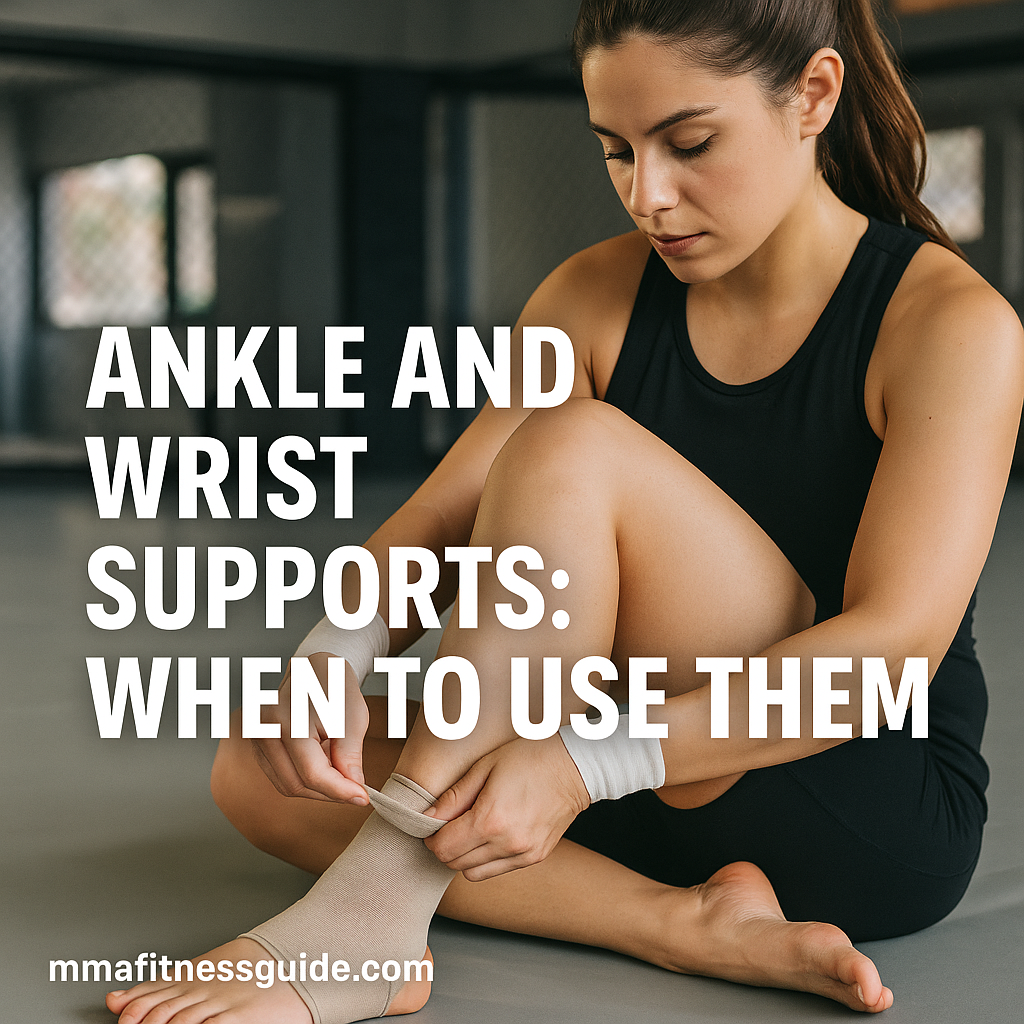
That’s where ankle and wrist supports come in. Used correctly, they can provide extra stability, protect old injuries, and make training safer. Used incorrectly, they can limit mobility or hide technique issues.
This guide explains when MMA athletes should use supports, when to avoid them, and how to integrate them into training the right way.
Why Small Joints Need Extra Protection
Ankles and wrists are both highly mobile joints, which makes them vulnerable during:
- punching
- catching body kicks
- shooting takedowns
- scrambles
- lateral movement
- grappling transitions
They’re not designed for constant high-impact stress, so smart fighters protect them — especially during heavy sessions.
Benefits of Using Ankle Supports
Ankle supports (wraps, sleeves, braces) are common in MMA, Muay Thai, and grappling. They help with:
1. Stability During Footwork
Quick pivots and angle changes can stress the ankle. Supports give light compression and stability.
2. Reducing Re-Injury Risk
If you’ve had a sprain, the ankle is weaker for weeks or even months. A sleeve adds protection.
3. Extra Grip for Grappling
Some grapplers use ankle sleeves for better traction on slippery mats.
4. Managing Soreness
Light compression can ease minor aches from hard training weeks.
When You Should Use Ankle Supports
1. After a Mild Sprain
During recovery, supports help maintain stability while you rebuild strength.
2. During Intense Footwork or Sparring Weeks
More movement = more stress.
3. When Cutting Angles on Heavy Bags
Rotational force can irritate the ankle.
4. If You Have Naturally Weak Ankles
Some athletes simply have looser joints and need temporary support.
When You Should Not Use Ankle Supports
1. During Early Skill Development
Relying on supports too early can hide footwork issues.
2. During Strength Training
Strength and mobility sessions should train the ankle to stabilize naturally.
3. If You Start Relying on Them Constantly
Supports are a tool — not a long-term crutch.
Benefits of Using Wrist Supports
Wrist supports (wraps, velcro braces, compression sleeves) help with:
1. Punching Stability
Improves alignment during hard bag work or pad sessions.
2. Protecting Previous Injuries
Old wrist sprains, tendinitis, or impact soreness benefit from added support.
3. Reducing Hyperextension
Helpful when catching kicks or defending takedowns.
4. Minimizing Strain During Grappling
Wrist sleeves can help with grip-heavy rounds.
When You Should Use Wrist Supports
1. Heavy Bag Work
Hard punches can strain the wrist if technique or alignment slips.
2. Sparring
You may be blocking kicks, defending clinch positions, or landing awkward shots.
3. When Returning From Injury
Supports can give confidence while you rebuild strength.
4. During Long Grappling Sessions
Especially when gripping sleeves, wrists, or collar ties frequently.
When You Should Not Use Wrist Supports
1. During Technique Work
You want your wrists to build natural strength and mobility.
2. During Strength or Grip Training
Supports limit the small stabilizer muscles that need to develop.
3. If You’re Avoiding Fixing Technical Errors
Wrist pain from punching often means your form needs improvement — wraps won’t solve that alone.
Choosing the Right Type of Support
Ankle Supports
Best options:
- Neoprene sleeves
- Muay Thai-style cloth supports
- Light lace-up braces for post-injury use
Avoid:
Bulky braces that limit movement during striking.
Wrist Supports
Best options:
- Boxing/MMA hand wraps
- Light velcro compression wraps
- Thin sleeves for grappling
Avoid:
Overly stiff braces unless you’re recovering from a real medical injury.
How to Use Supports Without Becoming Dependent
1. Strengthen Small Joint Muscles
Add simple work like:
- ankle circles
- balance drills
- wrist mobility
- light resistance band training
2. Improve Technique
Good mechanics reduce joint strain.
3. Use Supports Only During Hard Sessions
Keep easy days free of gear so your joints adapt naturally.
4. Gradually Wean Off
Lower frequency as your confidence and strength improve.
Signs You Might Need Supports Now
Use supports temporarily if you notice:
- persistent wrist or ankle soreness
- a mild sprain in the last 2–8 weeks
- instability when pivoting
- pain when punching
- swelling after training
- difficulty maintaining balance
Supports help protect you while you figure out the underlying cause.
Signs You Should Stop Using Them
If supports cause:
- reduced mobility
- dependence
- weaker technique without them
- discomfort during movement
…it’s a sign to build strength instead of relying on gear.
Final Thoughts
Ankle and wrist supports can be incredibly useful tools in MMA — but only when used properly. They help protect your joints, prevent reinjury, and provide confidence during hard sessions. At the same time, they shouldn’t replace good technique, proper recovery, and strength training.
Use supports wisely, build real stability, and your training will feel smoother, safer, and more consistent.