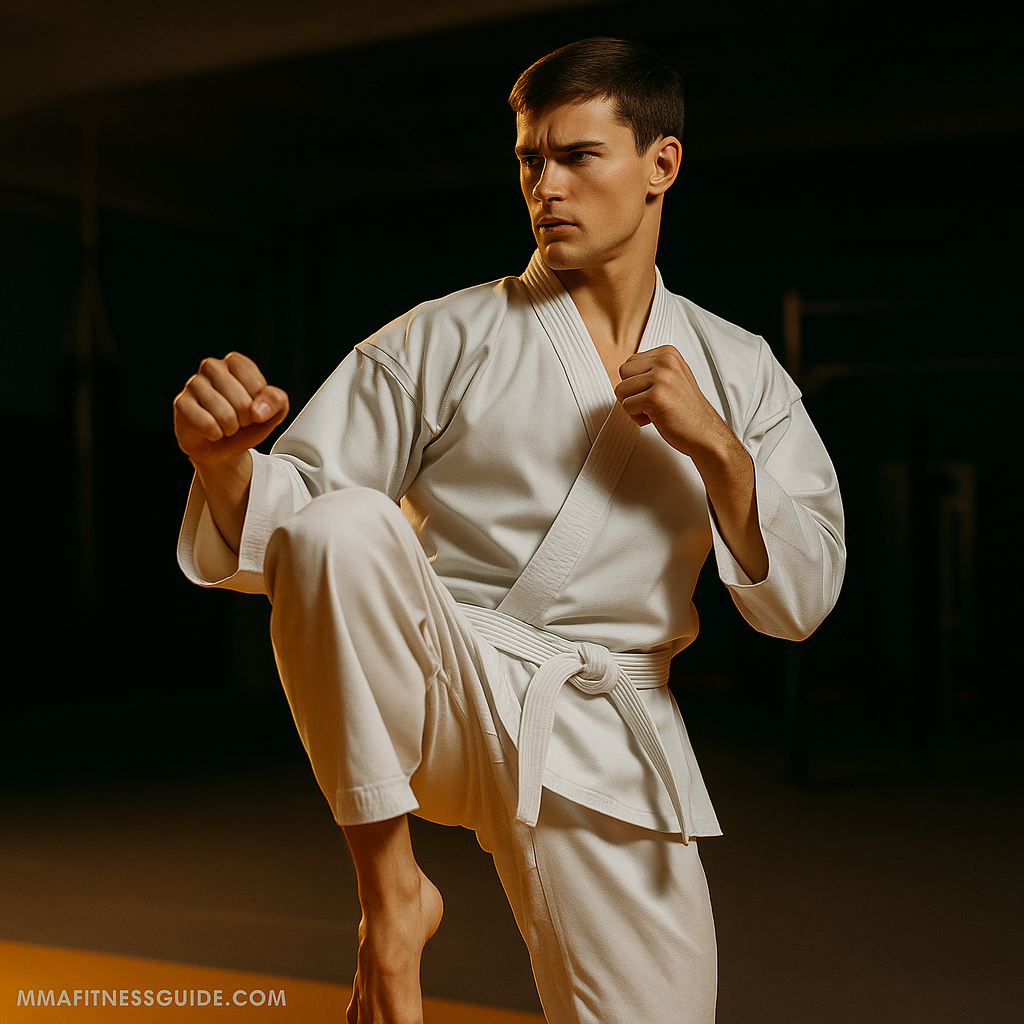
Starting MMA-inspired fitness training does not require a gym membership, professional equipment, or prior combat experience. Many effective MMA workouts can be done at home using bodyweight movements, controlled striking drills, and basic conditioning exercises.
Beginner MMA workouts focus on building foundational strength, endurance, coordination, and movement awareness. These workouts borrow techniques from mixed martial arts training while emphasizing fitness, safety, and gradual progression rather than competition or fighting.
This guide explains how beginners can safely start MMA-style workouts at home, what types of exercises to include, how often to train, and how to build a routine that supports long-term fitness development.
What Is an MMA Workout?
An MMA workout is a conditioning-focused training session inspired by the physical demands of mixed martial arts. Rather than teaching combat techniques, MMA fitness workouts emphasize:
- Full-body strength
- Cardiovascular endurance
- Balance and coordination
- Core stability
- Mental focus
At-home MMA workouts adapt these principles into accessible routines that do not require sparring or specialized equipment. Movements are typically performed in short rounds or circuits to elevate heart rate while maintaining control and proper form.
Why MMA Workouts Are Great for Beginners
MMA-inspired workouts are highly effective for beginners because they combine multiple fitness elements into a single session. Instead of separating cardio, strength, and mobility into different workouts, MMA-style routines blend them together.
Benefits include:
- Improved cardiovascular fitness
- Increased muscular endurance
- Better coordination and agility
- Efficient calorie burn
- Engaging, non-repetitive training
Because exercises can be scaled up or down, beginners can progress at their own pace without feeling overwhelmed.
What You Need to Get Started at Home
One of the advantages of beginner MMA workouts is minimal equipment requirements. Most at-home routines rely on bodyweight movements and controlled drills.
Basic requirements:
- Open floor space
- Comfortable athletic clothing
- Supportive training shoes or bare feet (depending on preference)
- Optional: exercise mat, jump rope, light dumbbells
As fitness improves, additional equipment can be introduced, but it is not required to get started.
Core Elements of Beginner MMA Workouts
Beginner MMA workouts typically include several key components that work together to build overall fitness.
Warm-Up and Mobility
Every session should begin with a warm-up to prepare the muscles and joints. This may include light cardio, dynamic stretching, and mobility movements for the hips, shoulders, and spine.
Striking-Inspired Movement
Shadowboxing, controlled punching combinations, and basic knee or kick movements help improve coordination and elevate heart rate without impact.
Bodyweight Strength Training
Exercises such as squats, push-ups, lunges, and planks build foundational strength and stability necessary for more advanced training.
Conditioning Intervals
Short bursts of activity followed by brief rest periods mimic the intensity patterns of MMA training while improving endurance.
Cooldown and Recovery
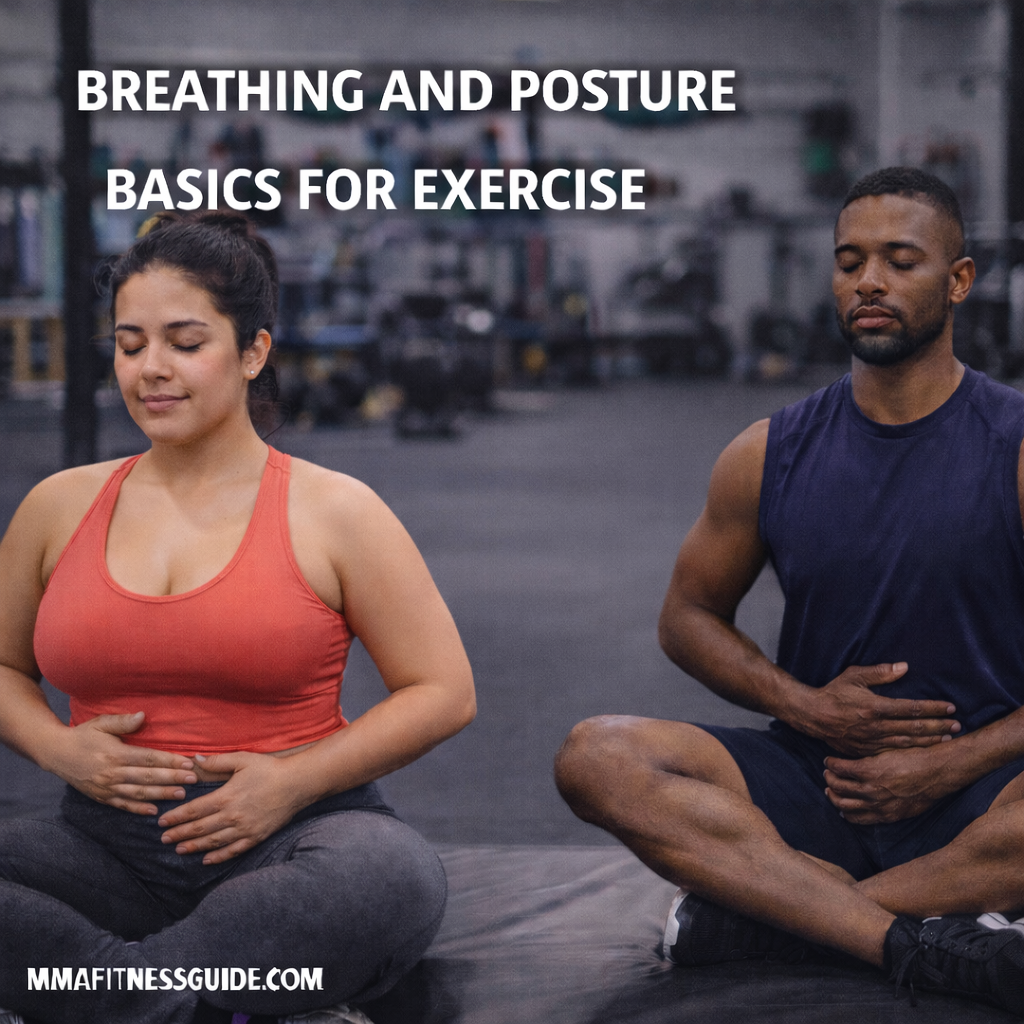
Stretching and controlled breathing at the end of a workout support recovery and reduce muscle stiffness.
Sample Beginner MMA Workout at Home
This example routine can be completed in 20–30 minutes and adjusted as needed.
Warm-Up (5 minutes)
- March or jog in place
- Arm circles and shoulder rolls
- Hip circles and leg swings
Main Circuit (3 Rounds)
- Shadowboxing (30 seconds)
- Bodyweight squats (12–15 reps)
- Push-ups or knee push-ups (8–12 reps)
- Alternating knee strikes (30 seconds)
- Rest (60 seconds)
Cooldown (5 minutes)
- Light stretching
- Deep breathing
Beginners should focus on smooth, controlled movement rather than speed or power.
Beginner Training Schedule
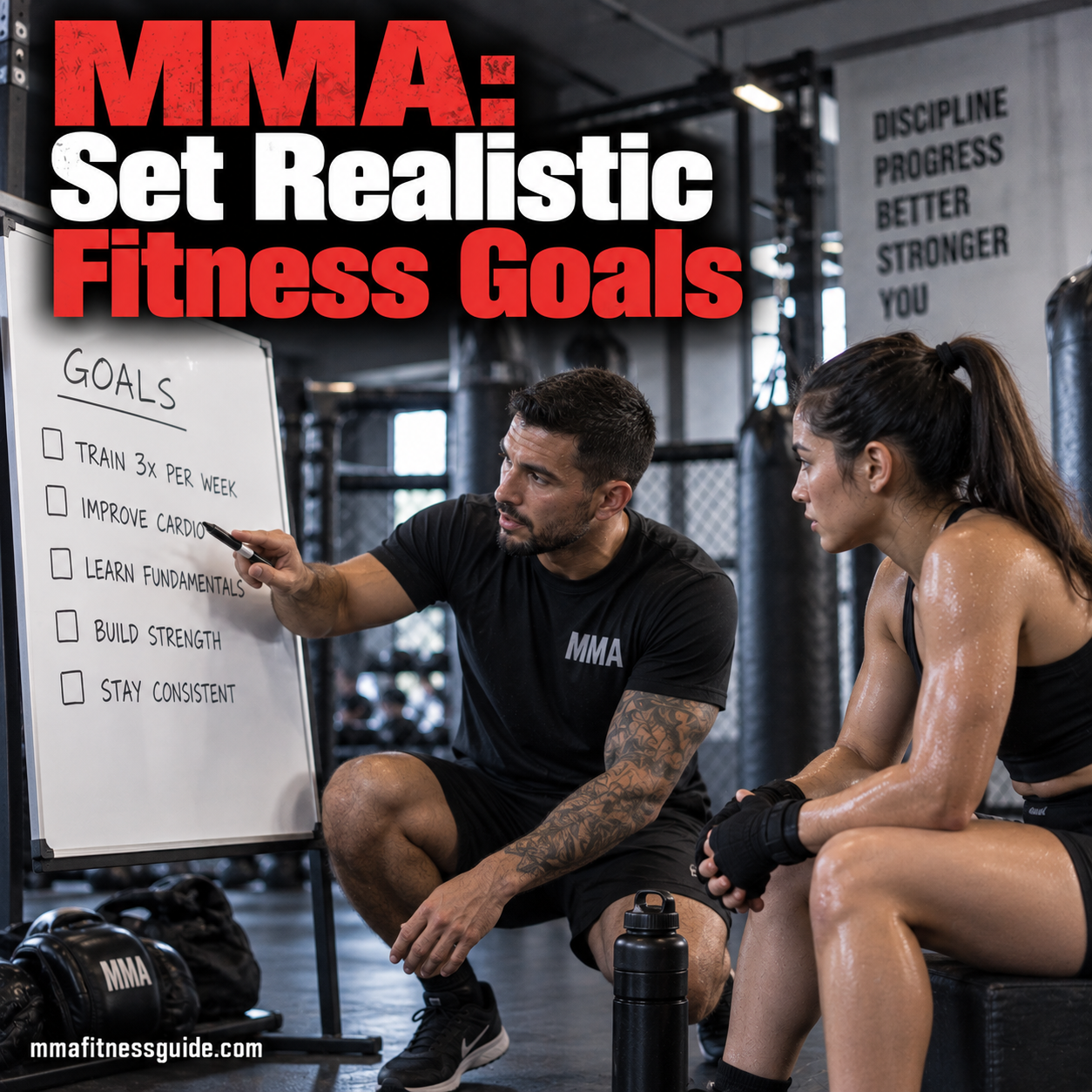
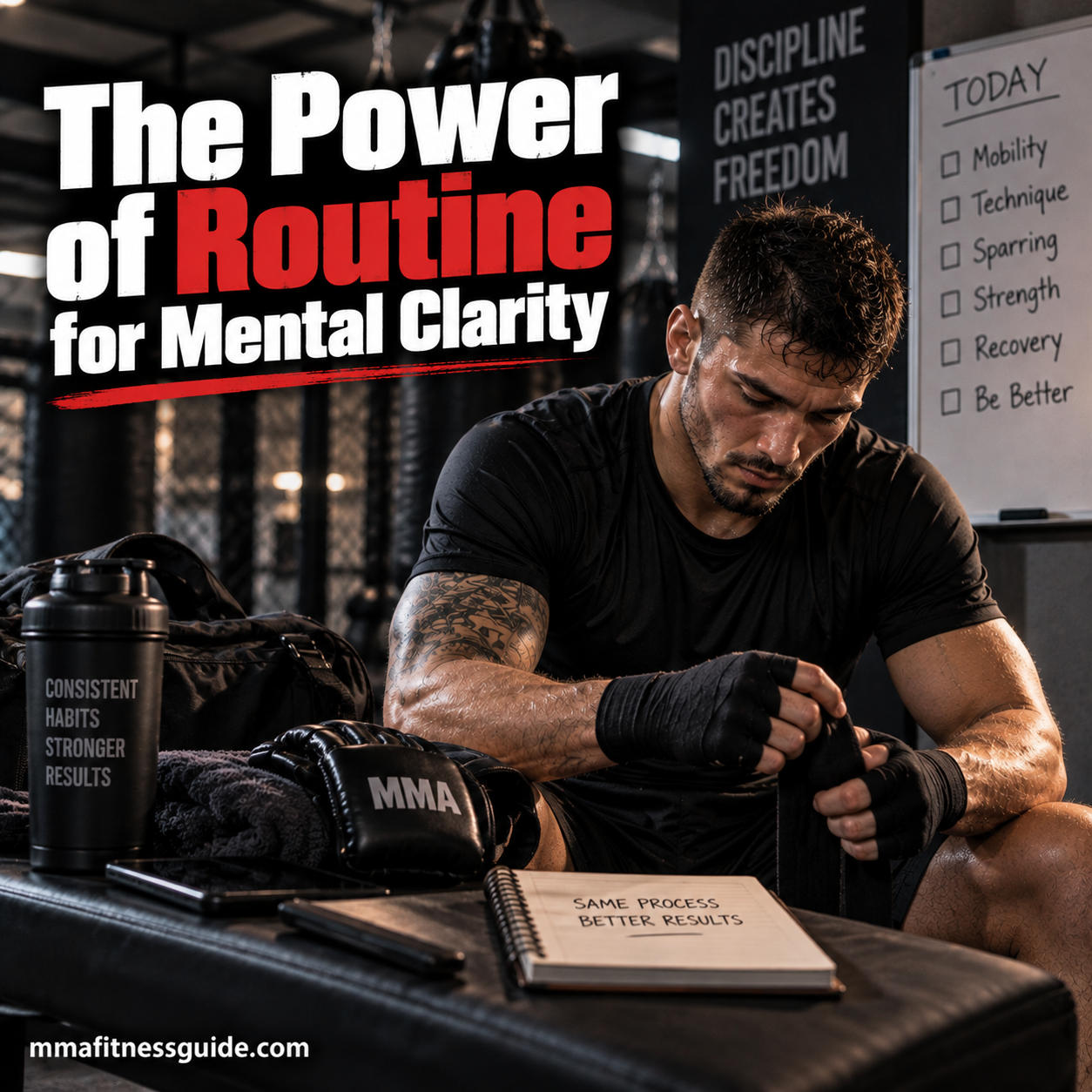
Consistency is more important than intensity when starting MMA workouts.
Recommended schedule:
- 2–3 sessions per week
- At least one rest day between sessions
- Gradual increases in duration or intensity
Allowing adequate recovery time helps prevent burnout and supports steady progress.
Common Beginner Mistakes to Avoid
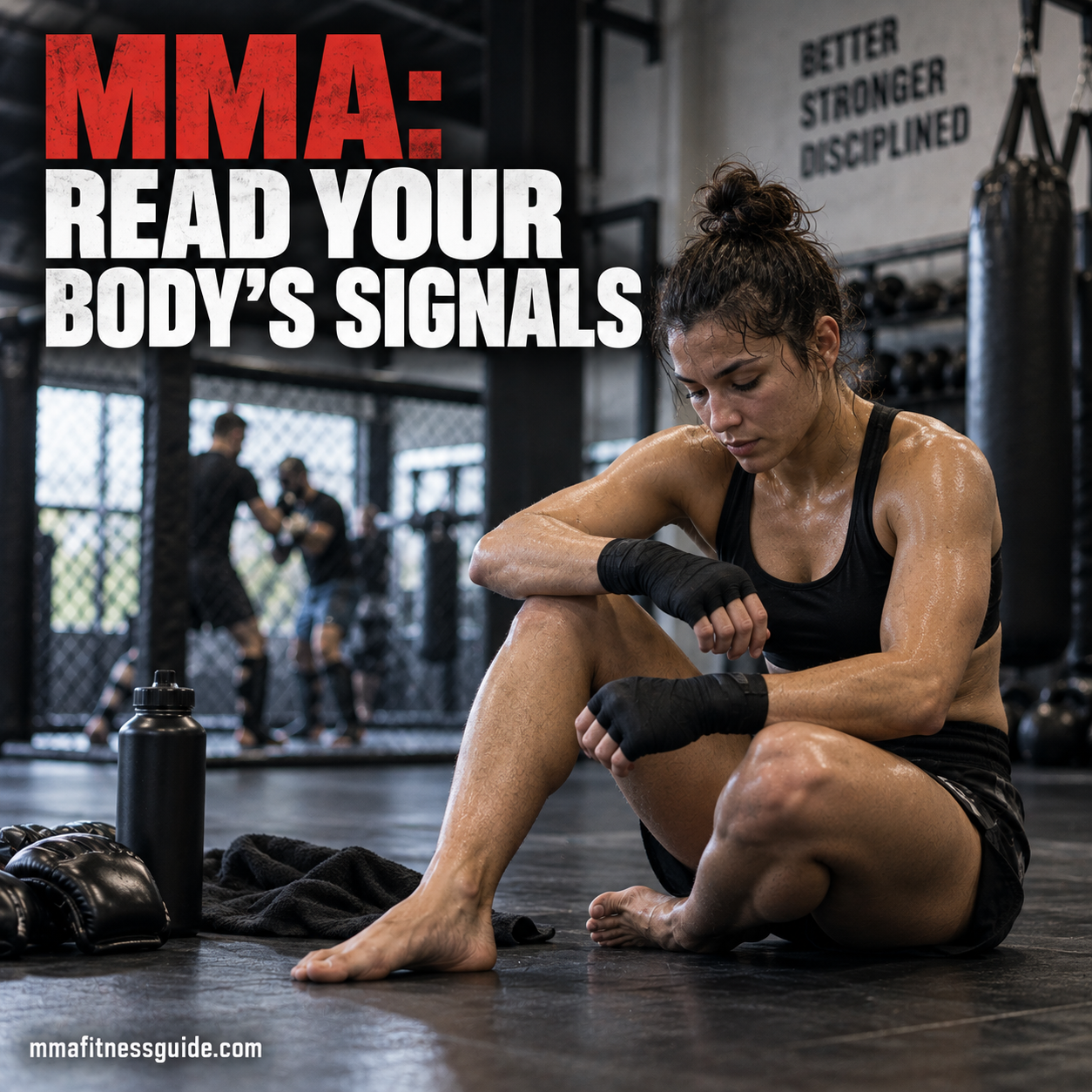
Many beginners make the mistake of trying to train too hard too soon. MMA workouts can feel intense, and it is important to listen to your body.
Common mistakes include:
- Skipping warm-ups
- Poor technique due to rushing movements
- Training every day without rest
- Ignoring soreness or pain
Progress should feel challenging but manageable.
Progressing Beyond the Beginner Level
As fitness improves, workouts can be adjusted by:
- Increasing round duration
- Adding additional circuits
- Introducing light resistance
- Improving movement complexity
Progression should be gradual and focused on maintaining proper form.
Training Safety Notice
MMA-style workouts are physically demanding and may not be suitable for everyone. Always train within your current fitness level and consult a qualified professional before beginning any new exercise program. Proper warm-ups, rest periods, and recovery are essential for reducing the risk of injury. Stop training if you experience pain, dizziness, or discomfort.
Final Thoughts
Beginner MMA workouts at home provide an accessible and effective way to improve overall fitness without stepping into a gym or training facility. By focusing on foundational movements, controlled intensity, and consistent practice, beginners can build strength, endurance, and confidence over time.
When approached safely and progressively, MMA-inspired fitness training can become a sustainable and rewarding part of a long-term fitness routine.